

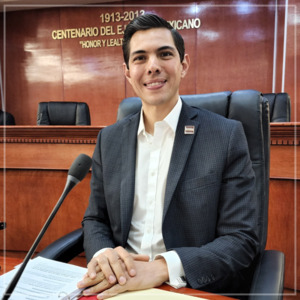
Román Cota Muñoz is the Mayor of Tecate in the state of Baja California, having taken office as part of the 25th City Council on October 1, 2024, for the 2024–2027 term. After being sworn in, Román outlined an agenda focused on community development, public safety, and strategic programs under the banner “Tecate al 100.” His administration emphasizes service, transparency, and citizen engagement as core principles for advancing quality of life in the municipality.



Here’s a glimpse of what you’ll learn:
- [2:52] Román Cota Muñoz introduces himself as the Mayor of Tecate and shares his background in binational and legislative affairs
- [4:10] Tecate’s unique binational community and daily cross-border life for residents
- [10:39] How Tecate functions as a wellness and medical tourism destination
- [15:23] Román talks about Tecate’s cultural identities and traditions
- [18:32] The history and global impact of Tecate’s brewery and restaurant scene
- [23:07] Suggested one-day and multi-day itineraries for visitors traveling from San Diego to Tecate
- [32:32] Economic development in Tecate, including Taylor Guitars’ manufacturing operations
- [42:54] Román’s vision for cross-border collaboration with San Diego leaders on safety, sustainability, and regional growth
In this episode…
Border towns are often misunderstood, seen as places you pass through rather than destinations you experience. Yet, one of the most accessible crossings in Southern California offers culture, safety, food, and opportunity in a single walkable setting. How can a border city thrive on both sides of the line?
According to municipal leader Román Cota Muñoz, Tecate in Southern California prioritizes collaboration over congestion. He recommends that border cities develop fast lanes for business and medical tourism, design walkable downtowns so visitors can explore freely, and invest in wellness, manufacturing, and retirement infrastructure to attract long-term visitors — not just day-trippers. Through intentional planning, small border cities can become sustainable economic hubs.
In this episode of The Lawtino™, John Gomez and David Arreguin sit down with Román Cota Muñoz, Mayor of Tecate, to discuss Tecate’s role as a binational city. Román talks about cross-border trade and ports of entry, Tecate’s rise as a wellness and culinary destination, and how safety, walkability, and regional cooperation drive sustainable growth.
Resources mentioned in this episode:
- John Gomez on LinkedIn
- David Arreguin on LinkedIn
- Gomez Trial Attorneys: Website | LinkedIn | Instagram | Facebook
- Román Cota Muñoz
- Government of Tecate
- San Diego Association of Governments (SANDAG)
- SmartBorder Coalition
Quotable Moments:
- “Tecate is a unique place in our border, it’s a small city with deep cultural, economic, and family connections.”
- “We are committed to building a future of collaboration and opportunity for both sides of our border.”
- “Tecate has been known as a very quiet, a very safe, a very kind place to visit.”
- “The folklore of the whole nation starts in Tecate because of the quality of life we have there.”
- “We are a whole unique place in the world; this megaregion is a very unique place.”
Action Steps:
- Design walkable, visitor-friendly city centers: Making downtown areas easy to explore on foot encourages tourism, supports local businesses, and improves safety. Walkability also lowers congestion and helps visitors experience more of the community in less time.
- Invest in fast lanes for business and medical travel: Streamlined border crossings reduce friction for workers, executives, and patients who cross frequently. Faster crossings strengthen economic ties and make cross-border collaboration more sustainable.
- Leverage cultural identity as an economic asset: Preserving traditions like local food, crafts, and history differentiates a city from generic destinations. Cultural authenticity attracts higher-quality tourism and builds community pride at the same time.
- Plan for retirement and long-term living communities: Developing housing and healthcare options for retirees creates stable, long-term economic growth. These residents also bring visiting family members, increasing local spending and tourism.
- Coordinate regionally across borders and jurisdictions: Shared challenges like safety, migration, and environmental risks require joint planning and communication. Regional cooperation leads to faster responses, better resource use, and stronger trust between neighboring communities.
Sponsor for this episode…
This episode is brought to you by Gomez Trial Attorneys, a personal injury law firm based in San Diego.
Award-winning attorney John Gomez developed a nationally recognized legal team that goes above and beyond for injured clients.
With numerous designations, distinctions, and top-notch resources, we have what it takes to fight and win against major corporations.
For a free case evaluation, visit https://www.thegomezfirm.com/contact/.