C2 Fractures (Hangman’s Fracture): Causes, Symptoms, Treatment, and Legal Options
Key Takeaways
- A C2 fracture, commonly called a Hangman’s fracture, is a C2 vertebra fracture involving the second cervical vertebra (the axis) that stabilizes head and neck movement.
- Most Hangman’s fractures are caused by high-force hyperextension, especially in car accidents, diving injuries, and serious falls.
- Spinal cord damage is not guaranteed, but untreated or unstable fractures can become life-threatening.
- Symptoms range from neck pain and stiffness to paralysis or breathing difficulty in severe cases.
- Diagnosis typically requires CT imaging, often combined with MRI to assess ligament or spinal cord involvement.
- Many C2 fractures heal with immobilization alone, but unstable fractures may require surgery.
- Even “non-paralyzing” C2 fractures can lead to long-term pain, mobility limits, and costly rehabilitation.
- When a C2 fracture is caused by negligence, victims may pursue compensation for medical care, lost income, and long-term disability.
- Early medical care and early legal guidance both play a critical role in protecting recovery and financial outcomes.
What Is a C2 (Hangman’s) Fracture?
A C2 fracture, also known as a Hangman’s fracture, is a traumatic break in the second cervical vertebra (C2)—the axis vertebra that allows the head to rotate side to side. This vertebra forms a protective ring around the spinal cord and plays a critical role in neck stability.
Despite its name, a Hangman’s fracture is rarely caused by hanging. The term dates back to 1965 and describes a specific fracture pattern involving both sides of the C2 vertebra, often through the pars interarticularis, pedicles, lamina, or articular facets.
Because of the C2 vertebra’s location high in the neck, these injuries are often classified as “broken neck” injuries and are treated as medical emergencies, especially when caused by high-impact events such as car accidents.
How Hangman’s Fractures Happen (Mechanism of Injury)
A Hangman’s fracture typically results from a sudden, forceful hyperextension of the neck, meaning the head is violently snapped backward beyond its normal range of motion.
Common C2 injury mechanisms include:
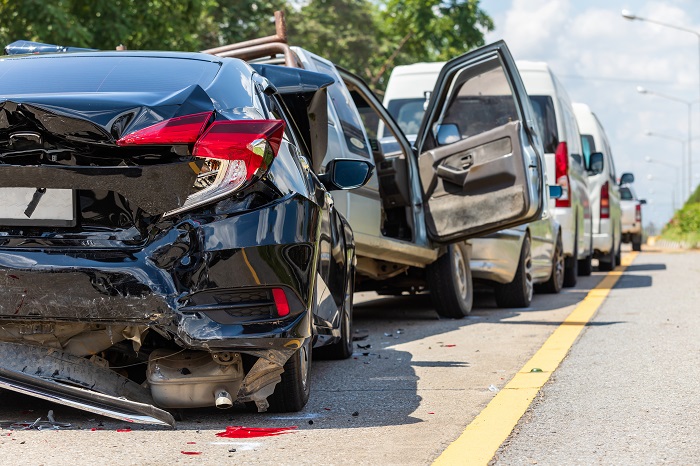
- Chin or face striking a dashboard or steering wheel in a car accident
- Diving head-first into shallow water
- High-velocity falls
- Motorcycle or bicycle ejections
- Contact sports collisions
While the spinal cord is not always damaged at the moment of injury, C2 fractures can be unstable. Without proper immobilization and treatment, the fractured vertebrae may shift and compress the spinal cord—leading to paralysis or death.
Common Symptoms of a C2 Fracture
Symptoms vary significantly depending on fracture severity and stability.
Mild to Moderate C2 Fracture Symptoms
- Neck pain or stiffness
- Pain at the base of the skull
- Swelling or tenderness
- Limited range of motion
- Headache
- Tingling or numbness in arms or legs
- Difficulty swallowing
- Dizziness or brief loss of consciousness
Severe C2 Fracture Symptoms
- Partial or complete paralysis
- Loss of sensation below the neck
- Muscle weakness or atrophy
- Incontinence
- Trouble speaking
- Difficulty breathing without assistance
Important: Some patients with C2 fractures initially report only neck pain and walk into the emergency room. Delayed diagnosis significantly increases the risk of spinal cord injury.
How is a Hangman’s Fracture Diagnosed?
Diagnosis usually involves a combination of physical examination and advanced imaging:
- CT scan (gold standard): Identifies fracture lines and vertebral alignment
- X-ray: May detect obvious fractures but is less detailed
- MRI: Evaluates spinal cord, discs, and ligament damage
Doctors also assess whether the fracture is stable or unstable, which directly affects treatment decisions.
Treatment Options for C2 (Hangman’s) Fractures
Treatment depends on fracture severity, alignment, and spinal cord involvement.
Non-Surgical Treatment (Most Common)
- Rigid cervical collar or brace
- Halo vest immobilization
- Pain management
- Close imaging follow-up
Approximately 90% of Hangman’s fractures heal with immobilization alone when treated promptly.
Surgical Treatment (Severe or Unstable Fractures)
Surgery may be required when:
- Vertebrae are displaced
- The fracture is unstable
- There is spinal cord or disc damage
- Immobilization fails to achieve healing
Surgical stabilization may involve screws, rods, or plates, followed by extended rehabilitation.
Recovery and Long-Term Outlook
The prognosis for a C2 fracture is often good when paralysis does not occur, but recovery can still be physically and financially demanding. Even without surgery, a broken neck C2 injury often requires strict immobilization, structured physical therapy, and close medical monitoring to prevent instability or delayed spinal cord injury.
Possible long-term effects include:
- Chronic neck pain
- Reduced range of motion
- Headaches
- Degenerative arthritis
- Permanent neurological deficits (in severe cases)
When a C2 Fracture Becomes a Legal Case
Many Hangman’s fractures are caused by preventable accidents, including:
- Car crashes involving negligent drivers
- Unsafe premises leading to falls
- Defective safety equipment
- Sports or recreational negligence
Victims may be entitled to compensation for:
- Emergency and long-term medical care
- Rehabilitation and assistive devices
- Lost wages and reduced earning capacity
- Pain, suffering, and permanent disability
At Gomez Trial Attorneys, we handle catastrophic injury cases with a trial-ready approach designed to hold negligent parties fully accountable.
Free Consultation — No Fees Until We Win.
Frequently Asked Questions About C2 (Hangman’s) Fractures
How serious is a C2 fracture?
A C2 fracture is a serious neck injury because it occurs high in the cervical spine near the spinal cord. While many cases heal with prompt treatment, unstable fractures can cause paralysis or death if not properly immobilized and monitored.
Can you survive a Hangman’s fracture?
Yes, survival is common, especially when the spinal cord is not damaged. Many people with Hangman’s fractures recover fully with early diagnosis, proper immobilization, and close medical monitoring.
How long does it take a C2 fracture to heal?
Most C2 fractures heal in 8 to 12 weeks with immobilization. Recovery time may be longer if the fracture is unstable, requires surgery, or causes neurological complications.
Can a C2 fracture cause long-term pain?
Yes. Even after healing, a C2 fracture can cause chronic neck pain, stiffness, headaches, or reduced range of motion, particularly if arthritis or soft-tissue damage develops.
Should I see a lawyer if my C2 fracture was caused by an accident?
Yes. C2 fractures often involve significant medical costs, lost income, and long-term effects. A lawyer can help protect your right to full compensation if the injury was caused by someone else’s negligence.